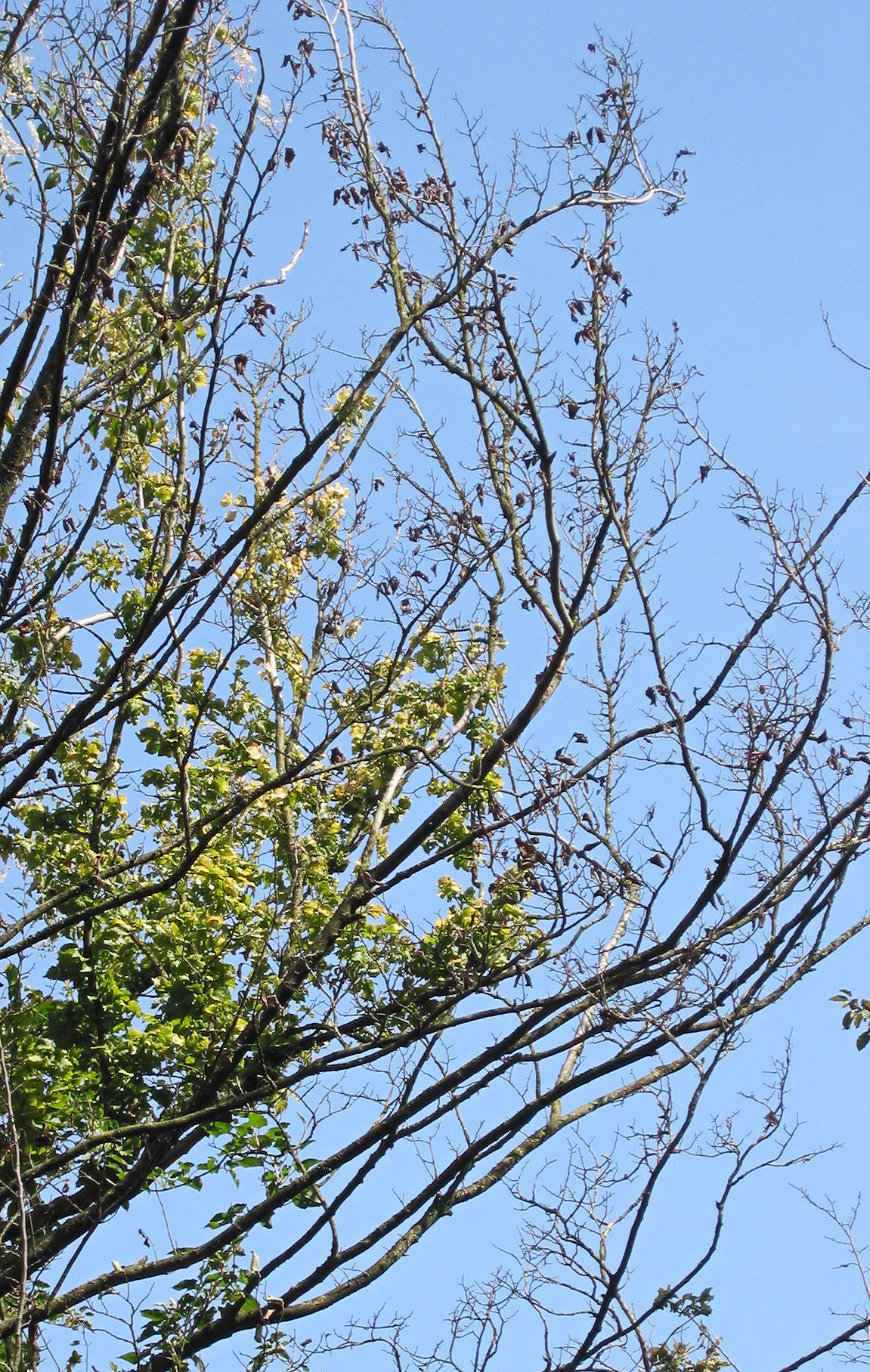
Disease Spread
Dutch Elm Disease Impact on Northern Italian Tree Avenues
How Ophiostoma novo-ulmi reached the Po Valley and what it has meant for historic elm-lined roads and park corridors across the region.
Documenting the impact of Dutch elm disease on tree avenues in Lombardy, Piedmont, and Veneto — from species collapse to resistant cultivar field trials and municipal greening decisions.
Featured Articles
Disease Spread
How Ophiostoma novo-ulmi reached the Po Valley and what it has meant for historic elm-lined roads and park corridors across the region.

Cultivar Research
Field results from tolerance trials of Ulmus 'Rebona', 'New Horizon', and selected clones in Turin and Brescia street plantings.

Municipal Programs
An overview of city-funded replanting budgets, species selection criteria, and monitoring outcomes in Milan, Turin, and smaller provincial towns.
Surveys conducted between 1990 and 2020 across Lombardy, Piedmont, and Veneto recorded significant reductions in elm populations along rural avenues, municipal parks, and river corridors. The data reflects both direct tree mortality and the failure of untreated replacement plantings.
Dutch elm disease arrived in northern Italy through infected timber and bark beetle movement, establishing across the Po Plain during the 1970s and accelerating sharply through the 1990s. Rural avenues connecting historic farmsteads bore the earliest losses.
Read the reportSeveral Ulmus clones with documented field resistance have begun appearing in procurement specifications for northern Italian city contracts. Their long-term performance under local soil and climate conditions is still under assessment.
Cultivar trial notesMonoculture avenues of susceptible elms created the conditions for rapid, near-total losses. Municipal forestry departments across Lombardy and Piedmont are now debating how to balance species identity — the elm has deep cultural and ecological associations — with the structural resilience that comes from diversified planting.
Explore program detailsContact
For corrections, additional local documentation, or general correspondence about elm conservation in northern Italy.